

 0
0
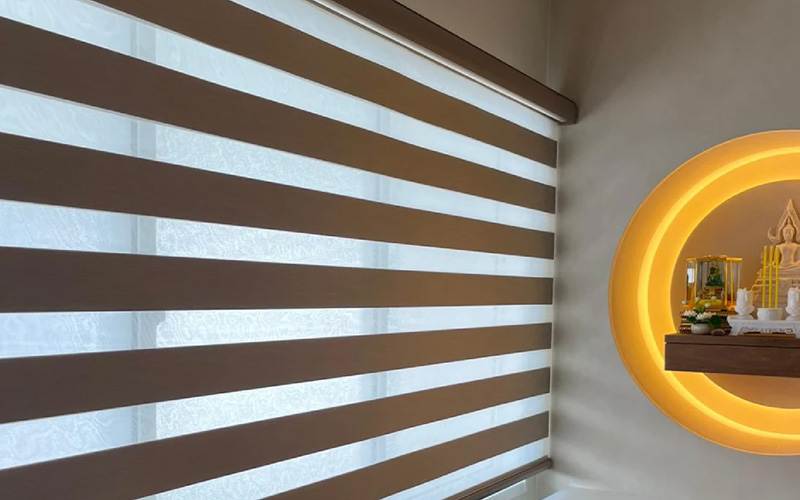
In many Singapore homes, window treatments are chosen for privacy or to complete an interior look. Yet blind designs influence far more than appearance. They shape how daylight enters a room, how heat is managed throughout the afternoon, and how comfortable a space feels from morning to night. In a climate where strong sun, humidity, and high-rise living are everyday realities, selecting the right design becomes a practical decision that directly affects daily living. This is especially relevant in HDB flats with corridor-facing windows, condominiums with floor-to-ceiling glass panels, and landed homes exposed to afternoon sun.
Light is not simply about brightness. It is about direction, softness, and how evenly it is distributed across a room. Well-considered blind designs allow homeowners to manage natural light to prevent harsh glare without creating a dim or enclosed environment. When light is not properly controlled, it can cause eye strain, screen glare, and uneven brightness that disrupts how a room functions during the day.
To see how structure shapes illumination, consider how different systems guide sunlight once it enters through the window. Slatted configurations, such as venetian blinds in Singapore, allow light to be angled upward, downward, or partially closed depending on the time of day. This flexibility is especially useful in living areas and home offices where direct glare on screens can cause discomfort. By redirecting rather than completely blocking daylight, homeowners retain natural brightness while reducing visual strain.
Adjustable systems also adapt to the sun’s changing positions throughout the day. Morning light may require minimal filtering, while late afternoon exposure may call for tighter control. This becomes particularly important in west-facing units, where sunlight intensity increases significantly in the second half of the day. This responsiveness keeps interiors functional without overreliance on artificial lighting.
Beyond direction, material construction determines how evenly light spreads across a space. Cellular designs, commonly seen in honeycomb blinds, diffuse incoming sunlight so it enters softly rather than in concentrated beams. This helps maintain visual comfort control by reducing stark contrast between bright window zones and darker interior areas. Even diffusion is especially beneficial in bedrooms and nurseries because it prevents excessive daytime brightness from disrupting rest.
Layered systems, such as Korean combi or triple-shade blinds, offer another layer of adaptability. Alternating sheer and opaque sections allow a gradual transition between filtered daylight and enhanced privacy. The outcome is balanced illumination that supports daily activities without overwhelming the space.
Natural light influences how a room feels and how it supports daily routines. The material and structure of window coverings shape whether a space feels calm, focused, welcoming, or structured. In homes where one room may serve multiple functions, such as working, dining, and relaxing, light quality directly affects how comfortable those transitions feel.
The way light is filtered directly influences a room’s emotional tone. Soft-filtering fabrics produce a gentle glow that makes bedrooms and family spaces feel relaxed and inviting. In contrast, defined light lines from slatted systems reinforce order and clarity, complementing contemporary interiors with clean architectural elements.
Even roller blinds for windows can transform the ambience of a space, depending on the fabric you choose. Sheer materials encourage openness and brightness, while blockout options create a more private, restful setting. Blockout performance is particularly important in bedrooms, as it helps create better sleep conditions by limiting early morning light intrusion. These differences influence how occupants experience the same room at different times of day.
Texture adds subtle psychological depth. Bamboo surfaces introduce organic warmth that softens modern finishes often found in condominiums and newer flats. Roman styles, with their structured folds, provide elegance without visual heaviness.
Uniform cellular patterns create a composed and tranquil effect through consistent light diffusion. When texture, structure, and lighting behaviour align, the overall environment feels cohesive and thoughtfully arranged.
Comfort in Singapore homes is closely tied to managing sunlight and indoor heat. Intense afternoon exposure, particularly in west-facing units or homes with expansive glass panels, can significantly affect indoor conditions. Carefully selected blind designs help moderate both brightness and temperature. Without adequate protection, solar heat gain can increase reliance on air-conditioning and create uneven cooling across different parts of the home.
Reducing heat begins with limiting direct solar penetration. Certain materials reflect portions of sunlight, while others reduce heat transfer once light passes through the glass. Cellular constructions trap air within their structure, creating an insulating layer that slows thermal transfer.
This added insulation supports more stable indoor temperatures and may reduce the need for continuous air-conditioning. Over time, this contributes to a more consistently comfortable living environment.
For homes with balconies, patio doors, or large sliding panels, light control must work together with ventilation. Systems such as zip blinds or cable-guided outdoor blinds provide sun protection while maintaining airflow in semi-outdoor spaces. This balance is important in high-rise developments where cross-ventilation supports natural cooling.
Vertical configurations are particularly effective for wide glass panels, allowing individual sections to be adjusted as needed. By balancing exposure and airflow, these solutions enhance liveability in Singapore’s humid conditions.
Beyond performance, blind designs influence proportion and visual harmony. Slim profiles complement minimalist interiors common in newer developments, while fabric-based styles add depth and softness where needed. Selecting the right scale ensures the window covering does not visually dominate the room, especially in compact HDB layouts.
Maintaining consistent colour tones supports long-term relevance and prevents window treatments from overpowering surrounding furnishings. Venetian styles introduce subtle rhythm through horizontal alignment, while Roman forms offer understated refinement. When selected thoughtfully, blinds integrate naturally into the home’s overall design language.
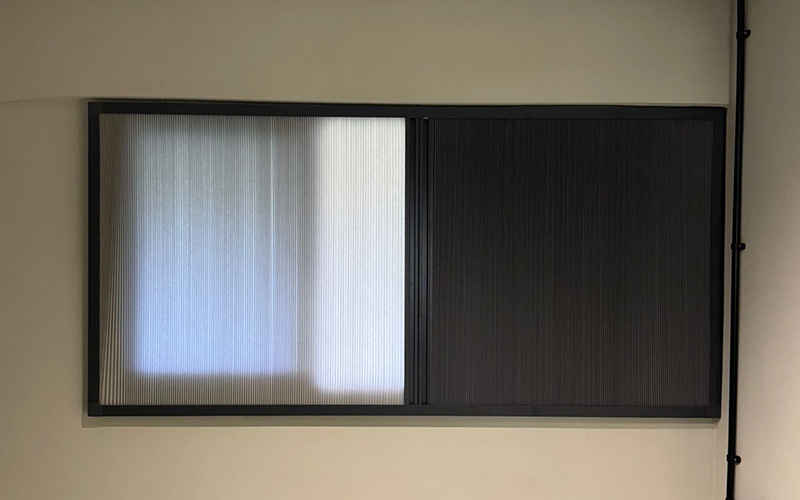
Off-the-shelf sizing often leads to compromise. Gaps may allow unwanted light intrusion, and proportions may not align cleanly with window frames. Custom blind designs ensure accurate fitting that enhances privacy, improves light management, and supports visual balance.
Professional site measurement is particularly important in Singapore, where window dimensions vary across HDB flats, condominiums, and landed properties. Tailored fabrication ensures that materials, structure, and daily usage patterns are considered from the outset. Motorised systems can also be integrated during planning, allowing convenient operation for higher windows or larger panels. This approach allows blinds to function as an integrated design element rather than an afterthought.
Blind selection shapes how a home feels throughout the day. From regulating daylight modulation to influencing mood and moderating indoor heat, thoughtful choices contribute to a liveable and well-balanced home environment.
To explore how tailored window solutions can enhance light control, comfort, and ambience in your home, Book a showroom appointment with our consultant today to receive recommendations based on your space, sun exposure, and interior style.