Shopping Cart

 0
0
Shopping Cart
Understanding the Differences Between Blackout and Blockout Curtains: How Each Works
Choosing the right curtains is not just about appearance. In many homes, window treatments play a key role in managing sunlight and maintaining indoor comfort throughout the day. Blackout and blockout curtains are commonly used for this purpose, but they function differently and offer varying levels of light control.
In reality, there is a clear difference between blackout and blockout curtains in how they control light, affect room ambience, and support daily use. Understanding these distinctions helps you select a curtain that fits your space, lifestyle, and comfort expectations. Keep reading to make a practical and informed decision.
Blackout curtains are designed to block out almost all external light. They are typically made with dense fabrics and full lining, which prevents light from passing through the material. These curtains are commonly used in bedrooms, nurseries, or spaces where complete darkness is preferred. For light-sensitive sleepers or shift workers, they help create a more controlled environment that supports rest at any time of day.
Besides light control, blackout curtains also contribute to reducing heat and improving privacy. They are often chosen as a reliable curtain to block the sun, particularly in rooms that receive strong afternoon exposure.
Blockout curtains reduce a high percentage of light, but they do not eliminate it entirely. Compared to blackout curtains, they are usually lighter in construction and allow a softer level of brightness to remain in the room. This makes them suitable for spaces where some natural light is still preferred, such as living rooms, dining areas, or home offices.
Instead of creating complete darkness, blockout curtains help manage glare while maintaining a comfortable level of daylight. This practical form of sun -blocking curtain offers a balance between light control and a more open, airy feel.
The two curtains vary in how much light they block. Blackout curtains aim for near-total darkness. When properly installed, they significantly reduce light penetration, serving as a good option for sleep-focused environments.
Blockout curtains filter and soften incoming light instead of eliminating it. Instead of creating complete darkness, they allow a controlled level of natural light to remain in the room. This helps reduce brightness and glare while keeping the space comfortable and visually open during the day.
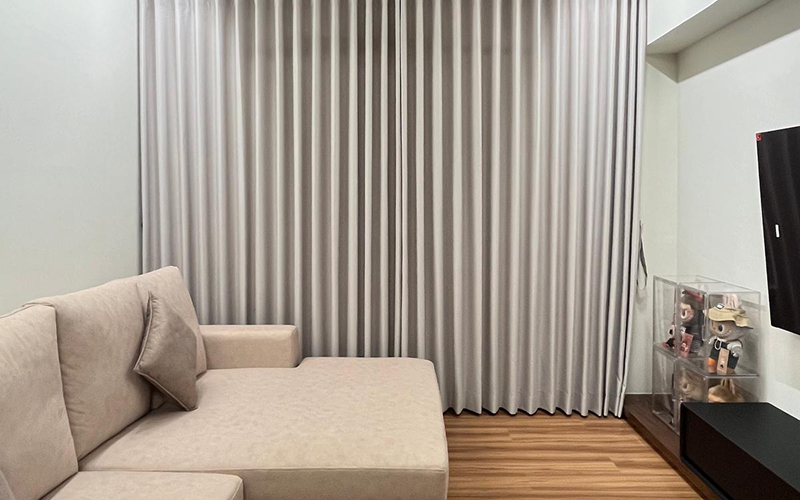
Blackout curtains are heavier due to their thicker materials and added lining, which gives them a more structured and substantial appearance. This added weight helps them hang more firmly, creating neater pleats and a more defined finish across the window.
Blockout curtains are generally lighter in comparison. Their softer construction allows them to drape more naturally, resulting in a more relaxed and less rigid look. In addition, they are easier to style and better suited for spaces that prioritise comfort and everyday use.
Another key difference between blackout and blockout curtains is how they affect the room ambience. Blackout curtains create a darker, more enclosed environment by limiting most incoming light. This helps reduce distractions and makes the space feel more private and restful, especially during sleep or downtime.
Blockout curtains keep the space brighter and more open while still reducing glare. They allow some natural light to remain, so the room feels more comfortable and connected to the outside during the day.
Bedrooms often require stronger light control, especially for those who are sensitive to light or have irregular sleep schedules. Blackout curtains are generally more suitable in these cases, as they support a darker and more restful environment. However, blockout curtains may still work for homeowners who prefer gentle morning light rather than complete darkness.
Living rooms typically benefit from a balance between light and comfort. Blockout curtains are often sufficient, as they reduce glare while keeping the space bright and welcoming. For homeowners exploring blackout curtains in Singapore, it is common to use them selectively in rooms with strong sun exposure, especially when glare affects screens or daily activities.
West-facing rooms in Singapore receive intense afternoon sunlight, which can increase indoor heat and discomfort. Blackout curtains provide stronger protection against glare and heat in these spaces. Blockout curtains can still be used, but they may need to be paired with sheers or additional layers to achieve similar results.
While blackout curtains are designed to block most light, actual performance depends on factors such as fabric quality, lining, and installation. Small gaps around the edges can still allow some light in.
Blockout curtains still reduce a significant amount of light and glare. For many households, they provide sufficient comfort for daily living without making the room feel too dark.
Different rooms have different needs. Bedrooms, living areas, and workspaces all require varying degrees of light control. Choosing based on function rather than assumption leads to better long-term satisfaction.
Understanding the difference between blackout and blockout curtains helps clarify which is more suitable for your needs. Blackout curtains focus on maximum light blocking, insulation, and privacy, while blockout curtains offer a more balanced approach by reducing brightness while maintaining a softer and more open feel.
The right choice depends on how each space is used, the amount of sunlight it receives, and your preference for brightness throughout the day. In many homes, combining both options can provide a more practical and balanced solution.
At Jia Le Curtains and Blinds, we take a consultative approach to curtain selection. Each project begins with an understanding of your room layout, light exposure, and daily habits. With on-site measurement, custom fabrication, and professional installation, the focus is on creating window treatments that fit both function and design.
Contact us to receive guidance on choosing between blackout and blockout curtains, based on how you use and experience your space.