Shopping Cart


 0
0
Shopping Cart
Short vs Long Curtains: Which Suits Your Living Space Better?
Choosing between short vs long curtains is not simply a matter of style. Curtain length influences how a space looks and functions, making the decision less straightforward in Singapore homes. Windows can vary widely, from those above built-in cabinets to full-height glass panels, and each room is used differently.
Instead of following a fixed rule, focus on how you use the space and what feels practical for daily living. This guide explains when each option works best and what to consider before deciding, so you can avoid common mistakes.
Before deciding which works better, it helps to clarify what each option typically looks like in practice. While the difference may seem straightforward, curtain length can significantly influence the overall look and feel of a space.
Short curtains usually stop at the window sill or slightly below it. They are designed to cover only the window area without extending further down the wall.
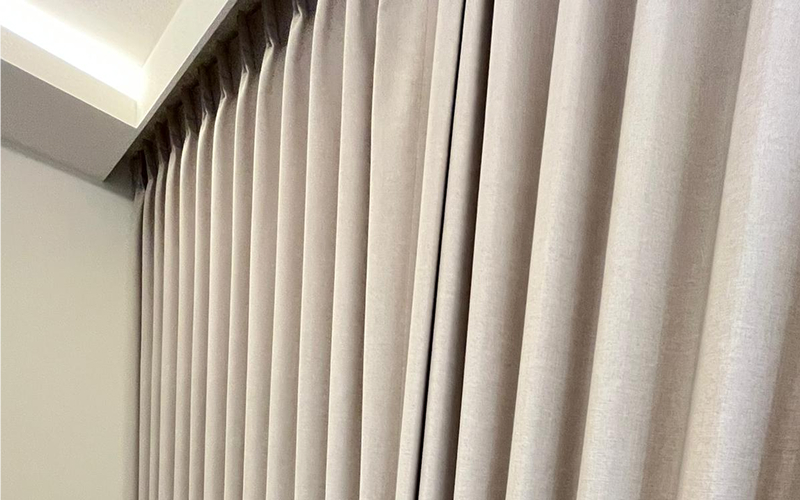
Meanwhile, long curtains extend to the floor or just above it. They create a continuous vertical line from the ceiling to the ground, which changes the visual proportions of the room.
When choosing window treatments, long curtains are frequently considered across a range of home settings. Different spaces may call for different approaches based on how the room is used.
Full-length curtains tend to create a more intentional and polished appearance. In living rooms and bedrooms, they help bring together furnishings such as sofas, rugs, and bedding, creating a more cohesive and well-considered interior.
By running the full height of the wall, long curtains guide the eye upward and help create the impression of taller ceilings. In HDB flats and condominiums, this can make rooms feel less enclosed and more proportionate, especially in compact layouts.
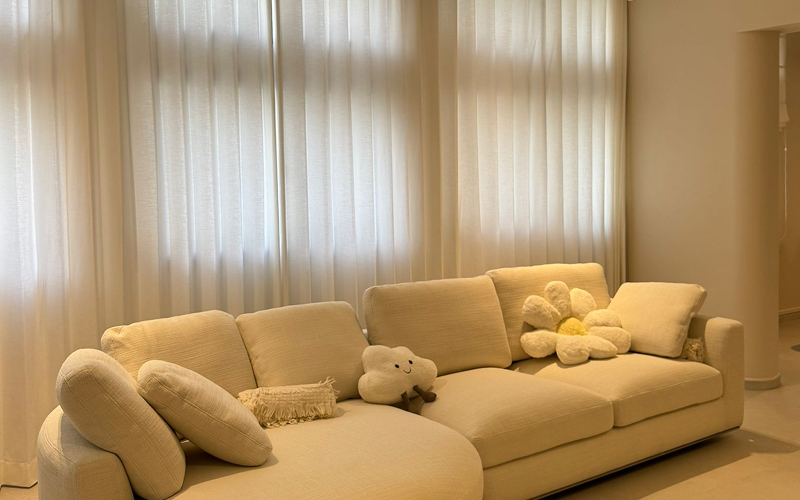
Floor-length coverage reduces light leakage around the edges, allowing for more consistent control of brightness. This can be beneficial in bedrooms for rest, as well as in living areas exposed to direct afternoon sunlight.
Long curtains are well-suited for full-height windows, sliding doors, or large glass panels, as their length complements the scale of these openings. They can also be combined with layered systems or smart curtains for added flexibility in light and privacy control. These curtains allow automated opening and closing based on time of day or sunlight levels.
Short curtains are often overlooked, yet they serve a clear purpose in certain areas of the home. They are often considered in situations where full-length coverage is not necessary or practical.
In kitchens, service yards, or utility areas, short curtains are generally easier to maintain due to the nature of these spaces. With regular exposure to moisture, heat, and cooking residue, a shorter length reduces contact with surfaces and makes cleaning or replacement more manageable.
Certain layouts include built-in features such as cabinetry, desks, or seating beneath windows. In these cases, long curtains may overlap or get in the way, while shorter curtains provide a cleaner fit without disrupting how the space functions.
In homes with pets or young children, shorter curtains can be easier to maintain as they reduce contact with the floor. This helps minimise the accumulation of dust and dirt, and lowers the risk of accidental pulling, staining, or damage during daily activities.
Singapore’s climate often requires frequent window opening for airflow. Short curtains ensure easier access without needing to fully draw or adjust longer panels. When paired thoughtfully with made-to-measure blinds, short curtains can still achieve a clean, modern look while maintaining practicality.
Rather than using one rule for the entire home, it is more effective to assess how each space is used. Considering each room individually allows for more practical decisions that support both function and design consistency.
Long curtains are typically preferred in bedrooms. They provide better privacy and more effective light blocking, which contributes to sleep quality. Layered curtain systems are useful for managing both daylight and complete darkness when needed.
In living areas, long curtains often create a more refined and cohesive look. Beyond appearance, they also play a practical role in managing glare and heat. With living rooms often receiving strong daylight during the day, having sufficient coverage can help maintain a more comfortable indoor environment.
In kitchens and service areas, practicality is a key consideration when selecting window treatments. With exposure to heat, moisture, and frequent use, short curtains are generally more suitable as they are easier to clean and maintain.
The choice here depends on usage. A study area with a desk positioned beneath the window may benefit from shorter curtains, as they allow better access and reduce interference with the workspace. In contrast, longer panels may better suit multi-purpose rooms that require flexibility and a cohesive appearance.
Many homeowners approach curtain selection with assumptions that may not always hold true. These misconceptions can influence decisions without fully considering how different curtain lengths function in various spaces.
Long curtains can actually make smaller rooms feel more proportionate. When installed correctly, they can create a sense of height and continuity without overcrowding the space.
Short curtains may look modern when used in the right setting. Clean lines, suitable fabrics, and thoughtful placement make a significant difference.
Maintenance depends more on fabric choice than length. Lightweight materials can be just as easy to care for as shorter options.
Curtains do not need to rest directly on the floor. A slight clearance is often more practical, especially in homes where cleaning and airflow are considerations.
Apart from aesthetics, several practical elements should guide your decision when considering short vs long curtains. While visual appeal plays a role, the following factors are equally important in determining what works best.
The structure of your windows and surrounding features plays a key role. Full-height glass panels naturally suit long curtains, while half-wall windows may not.
Singapore homes receive strong sunlight throughout the year. Curtain length affects how much light enters and how well heat is managed.
Consider how often curtains will be opened and closed. High-traffic areas may benefit from solutions that are easier to operate and maintain.
Heavier fabrics behave differently from lighter ones. The way a curtain falls can influence whether a short or long length looks more appropriate.
Airflow is essential in Singapore’s humid climate. Curtain length should not obstruct natural ventilation, especially in frequently used areas.
Short and long curtains both have a place in modern interiors. The better choice depends on how each space functions, your window layouts, and your preferences for comfort and privacy.
A thoughtful approach often involves a combination of both rather than choosing one universally across the home. For instance, living rooms and bedrooms may benefit from long curtains, while kitchens and service areas remain more practical with shorter options.
For homeowners who prefer a seamless and well-fitted finish, working with professionals like Jia Le Curtains and Blinds can make a difference. With our range of window treatment solutions, including custom-made curtains, it is easier to achieve both visual balance and everyday practicality.
Contact us to learn more about our on-site measurement services and tailored window treatment recommendations.