Shopping Cart


 0
0
Shopping Cart
How Different Blind Materials Perform in Various Spaces
Choosing the right blind materials shapes not only how your home looks, but how it feels and functions each day. In Singapore, properties face intense year-round sunlight, persistent humidity, and close residential spacing. In many HDB flats and condominiums, neighbouring blocks sit within direct sightlines, making privacy and effective light control part of daily comfort.
The material you choose should complement your interior style while also supporting thermal comfort, glare reduction, and long-term durability. To make an informed decision, it’s important to understand the strengths and limitations of each option.
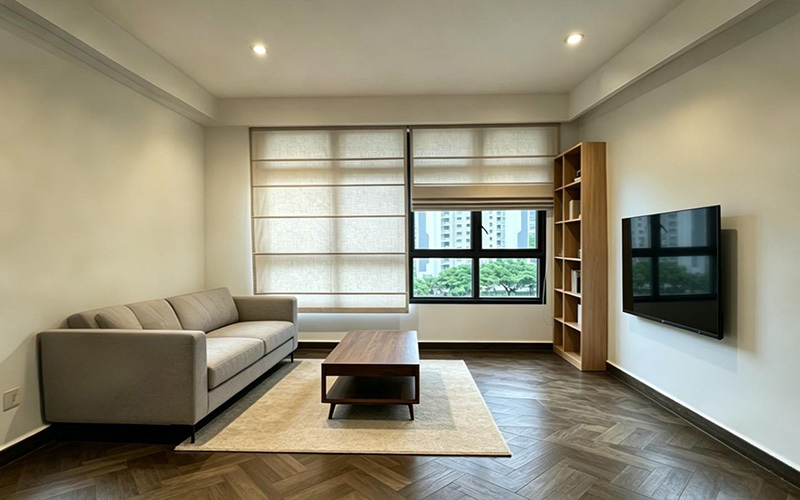
Fabric blinds are often chosen for their ability to soften interiors while offering flexible light management. For homes where comfort and ambience matter, fabric introduces warmth and texture without overpowering the space. Available in sheer, dim-out, and blockout options, they allow homeowners to adjust the brightness according to each room’s function.
Sheer and light-filtering fabrics work well in high-rise apartments exposed to direct sun, diffusing glare and preserving a sense of openness simultaneously. In bedrooms, blockout variants provide greater light control, helping to create a darker, more restful environment conducive to better sleep.
One limitation to note is that fabric blinds may require more maintenance in kitchens or areas exposed to moisture. Humidity can affect longevity if ventilation is poor. In such cases, alternative materials may perform better.
Fabric blinds are best suited for:
Timber blinds bring natural character and depth that few other materials can replicate. Compared to traditional real-wood blinds, modern Timbercast blinds offer a balanced combination of aesthetics, durability, and ease of maintenance. Their wood-like texture, natural tones, and structured slats add warmth and depth without being as moisture-sensitive as real timber.
In particular, timber venetian blinds stand out for their solid slats and reassuring weight, which lend the window a sense of structure and intent. In Singapore homes with expansive windows, tilting the slats can soften harsh afternoon sun while keeping the space comfortably bright. This level of control also benefits home offices, minimising screen glare and improving visual ease throughout the day. Besides, the timber-inspired finish adds depth and subtle texture, creating a composed atmosphere without feeling heavy.
While Timbercast blinds offer clear aesthetic and functional benefits, they perform best in the right setting. For homeowners who want the natural look of timber with enhanced durability and easier upkeep, Timbercast blinds can be a suitable option for living areas, bedrooms, and study spaces. In areas with sustained moisture exposure, it is still important to consider the most appropriate blind material for long-term performance.
Timber blinds are best suited for:
Aluminium blinds are defined by resilience and simplicity. They are often selected for spaces where reliability matters more than decorative emphasis, offering a straightforward solution for everyday use.
In Singapore’s humid environment, aluminium handles moisture exposure with little risk of warping or corrosion. The non-porous surface can be wiped clean easily, which makes the material practical in kitchens. Their light build also allows for smooth operation, even when adjusted several times a day.
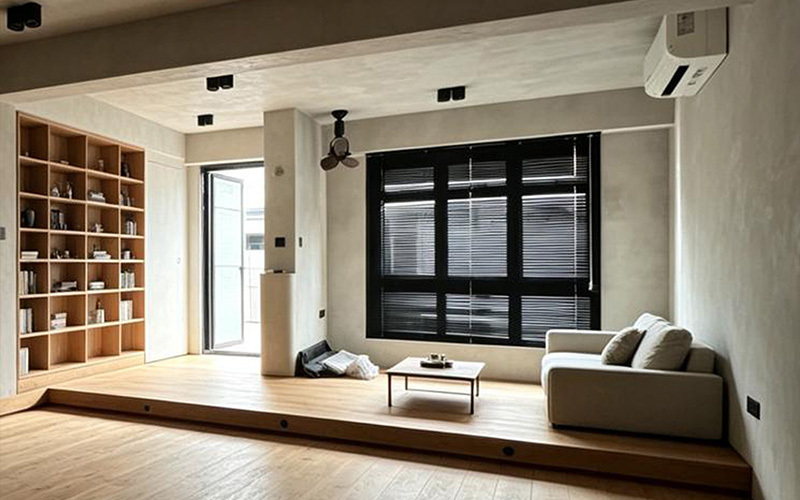
From a design perspective, aluminium introduces a crisp, pared-back finish. The slim slats create clean horizontal lines that sit comfortably within contemporary and minimalist interiors. In compact HDB bedrooms, study rooms, or service yards, this restrained look helps maintain visual order. Although it lacks the natural warmth of timber or the softness of fabric, aluminium delivers consistent performance with minimal upkeep.
Aluminium blinds are best suited for:
Rather than selecting blinds based purely on appearance, consider how each room functions. Ask yourself the following questions:
For example, west-facing condominium units may benefit from denser fabric options or timber slats angled strategically to manage glare. Bathrooms in landed homes may perform better with aluminium due to moisture resistance.
The right material supports comfort first. Visual harmony follows when performance aligns with daily living needs.
Even the most suitable material underperforms if it is poorly fitted. Precision installation affects light leakage, privacy levels, and overall visual balance.
At Jia Le Curtains and Blinds, professional site measurement ensures every made-to-measure curtain fits proportionately to each window. Our custom fabrication helps achieve:
There is no universal best option among blind materials. The right choice depends on how you live, how your home is oriented, and what level of maintenance suits your routine. Fabric blinds offer softness and adaptability.
On the other hand, venetian blinds bring warmth and defined light control. Aluminium blinds complete the range with dependable durability and ease of maintenance, particularly in areas exposed to moisture or frequent use.
If you are exploring solutions tailored to your windows, Jia Le Curtains and Blinds provides consultation, measurement, and installation guidance to help you choose confidently.
Contact us to discover which option works best for your space.