Shopping Cart


 0
0
Shopping Cart
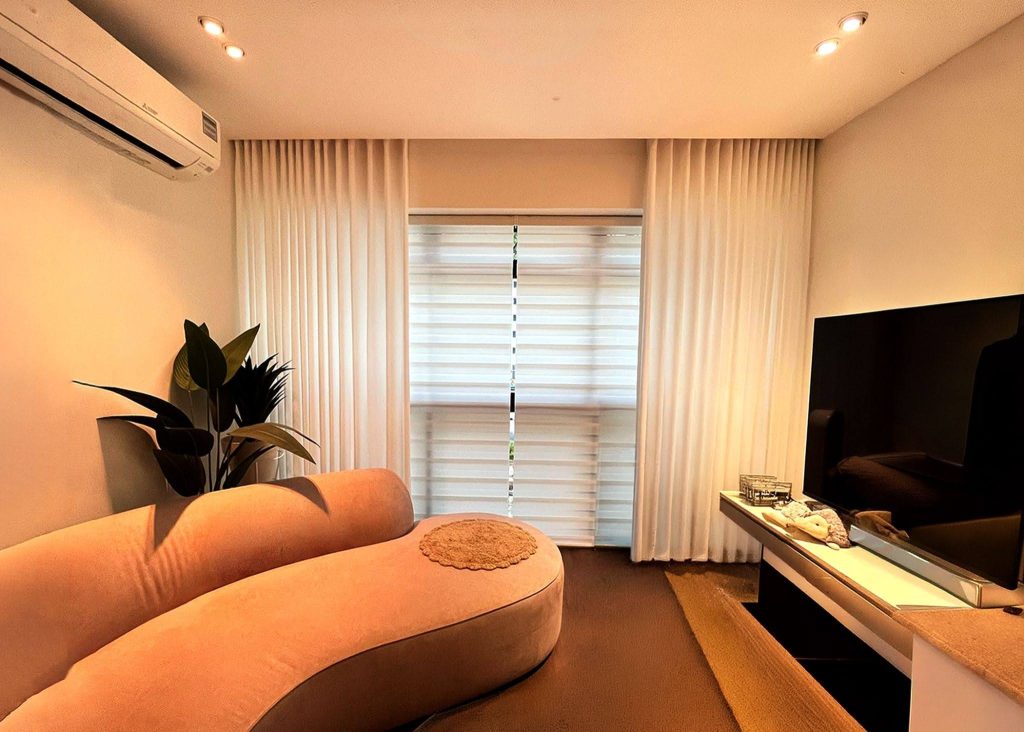
Choosing between window blinds and curtains is rarely just about appearance. For homeowners in Singapore, the decision shapes daily comfort, glare control, and how effectively each room supports rest or productivity. With strong natural light throughout the year, window treatments must do more than complement décor. They need to perform reliably while fitting the way a household lives.
In many homes, both solutions are used across different rooms rather than selecting one exclusively. Understanding how each option performs in specific scenarios makes the decision clearer and more practical.
Curtains are often selected for the softness and depth they introduce to living rooms and bedrooms. Their layered drape adds visual fullness while shaping how a space feels.
Proportion and installation play a defining role in how curtains frame a room. Full-length panels can visually elongate walls and soften architectural lines. In bedrooms, heavier materials create a more restful environment by limiting outside distraction. In living areas, pairing sheer day curtains with denser night fabrics maintains brightness during the day while offering privacy after sunset. When carefully measured and installed, curtains enhance interior aesthetics in a way that feels intentional and balanced. For larger living rooms or homes with full-height windows, layered curtains can also help visually anchor expansive glass panels so the space does not feel exposed or unfinished.
Functionality becomes especially important in sun-exposed spaces. Blackout and dim-out fabrics reduce early morning brightness and moderate glare in shared areas. Thicker materials can also limit direct heat transfer through large glass panels, contributing to improved indoor comfort. While curtains are not insulation systems, appropriate fabric selection supports a calmer interior environment. For example, east-facing bedrooms often benefit from stronger blackout fabrics, while west-facing living rooms may prioritise glare reduction during late afternoon hours.
Practical upkeep should be considered alongside visual appeal. Curtains require periodic cleaning, particularly in homes exposed to roadside dust. Their fabric volume extends beyond the window frame, which may not suit compact layouts. Achieving a refined finish also depends on precise site measurement and proper track alignment. For homeowners who value accuracy and proportion, professionally fabricated custom curtains ensure that fabric weight, pleat style, and installation are matched carefully to each window.
Investment varies depending on fabric choice, track type, and whether motorisation is included, so understanding how the space will be used helps determine what is appropriate rather than excessive.
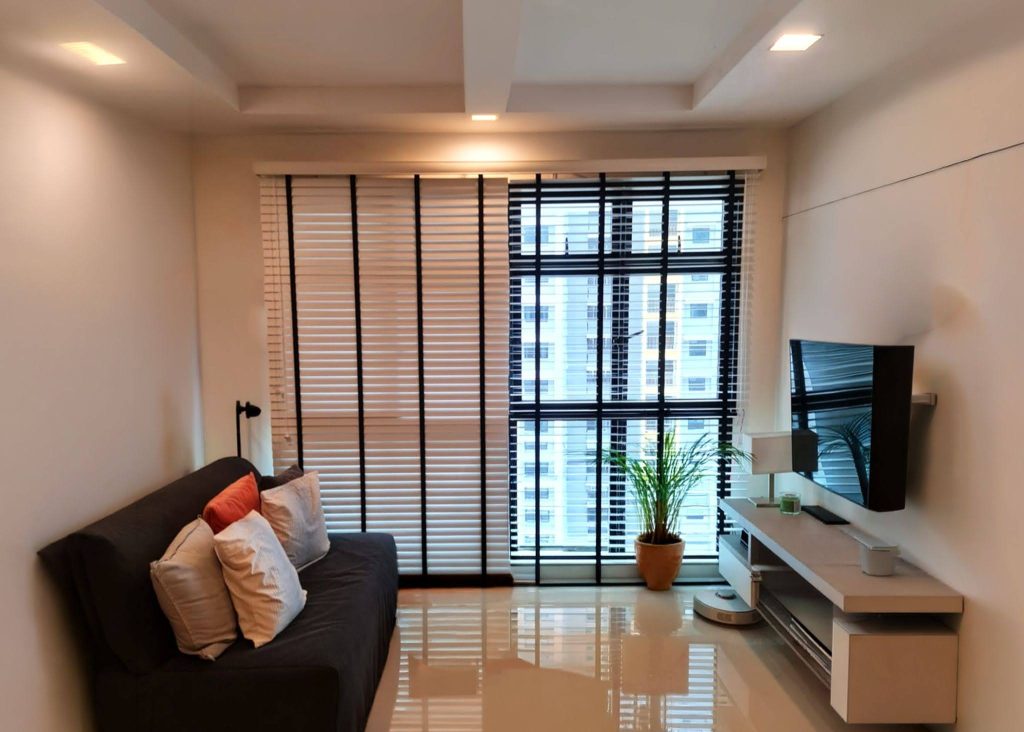
Within the window blinds vs curtains discussion, blinds are frequently chosen for their structured profile and efficient operation. Their streamlined design suits contemporary interiors and rooms where space optimisation is important.
Blinds sit neatly within the window recess, preserving surrounding wall space and maintaining visual clarity. This makes them well-suited to kitchens, study rooms, and apartments where efficient use of space matters. Roller, Venetian, and Korean combi systems provide distinct finishes that align with modern layouts without adding fabric bulk. Their compact structure supports a clean, ordered appearance. Roller blinds are often preferred for straightforward light management, while Korean combi blinds allow alternating sheer and opaque bands for more nuanced daylight adjustment.
Flexibility is one of the defining strengths of blinds. Adjustable slats or dual-layer systems allow occupants to fine-tune visibility and seclusion throughout the day without fully blocking daylight. This measured adjustment makes blinds practical for workspaces and living areas exposed to changing sun angles. The ability to moderate brightness while retaining outward visibility is a key functional distinction in the window blinds vs curtains comparison. For households that prioritise convenience, motorised blinds can also improve usability in higher or wider windows where manual adjustment is less practical.
Long-term performance depends on appropriate system selection. Blinds generally require minimal upkeep, with occasional wiping sufficient to remove dust. However, accurate measurement and secure installation are essential for smooth operation over time.
Homeowners comparing different window treatment options should consider how frequently the system will be adjusted and how it will hold up with daily use. Higher-traffic areas such as kitchens may benefit from moisture-resistant materials, while bedrooms may prioritise quieter mechanisms for smoother operation.
After understanding how curtains and blinds perform individually, it is equally important to evaluate how they compare across broader lifestyle and environmental factors. The following sections move beyond product features to consider overall ambience, light exposure, and long-term practicality within Singapore homes.
Atmosphere often guides the decision as much as practicality. Curtains introduce softness and a distinctly residential character, particularly in larger living areas where layered fabrics frame expansive windows. Blinds offer structure and visual precision, aligning well with minimalist or contemporary interiors. The appropriate choice reflects the intended mood of the space rather than following trends. A cohesive look across rooms often requires balancing soft fabrics and structured systems rather than relying on one treatment throughout the entire home.
Managing brightness effectively makes rooms more comfortable to use throughout the day. Curtains rely on fabric density and layering to support light filtration, especially when combining sheer panels with heavier drapes. Blinds provide incremental adjustment, enabling occupants to control glare without darkening the entire room. Evaluating window orientation and daily light patterns clarifies how window blinds vs curtains will function across different times of day. Homes with large glass panels facing open corridors or neighbouring blocks may also prioritise privacy levels during evening hours, which influences material and system selection.
Upkeep expectations should align with household routines. Curtains typically involve laundering or professional cleaning, while blinds require less intensive care. Each option carries distinct maintenance considerations, and weighing these differences ensures the selected solution remains practical well beyond installation. For homeowners planning a coordinated approach across multiple rooms, professionally designed made–to–measure blinds help maintain consistent alignment and finish.
Rather than treating the decision as either-or, many homeowners adopt a blended strategy tailored to individual rooms.
Bedrooms often benefit from layered curtains to enhance comfort and light control, while kitchens and study areas use blinds for flexibility and easier maintenance. This approach allows each space to respond appropriately to its function while maintaining visual cohesion. Living rooms may combine sheer curtains with discreet roller blinds to achieve both daytime softness and stronger glare control when needed.
Window proportions and façade direction vary across HDB flats, condominiums, and landed properties. Homes with stronger afternoon exposure may require more deliberate glare management, while sheltered units can prioritise softer finishes. Grounding the decision in these contextual factors leads to more consistent daily comfort.
Consulting specialists experienced in the curtains and blinds commonly installed by Singapore homeowners can further ensure material suitability and system reliability. Accurate on-site measurement is particularly important in properties with irregular window dimensions or recessed frames.
Ultimately, deciding on window blinds vs curtains depends on how each room is used, the level of sunlight it receives, and the atmosphere you want your home to reflect. A well-considered solution balances visual harmony with reliable performance, supporting comfort and proportion within Singapore’s built environment.
If you are planning your window furnishings and want clarity on what works best for your specific layout and light exposure, schedule a consultation with Jia Le Curtains and Blinds to receive tailored recommendations based on your space, usage patterns, and long-term needs.