Shopping Cart


 0
0
Shopping Cart
What Should You Consider When Choosing Ripple Fold vs Pleated Curtains?
Window furnishings influence how a home feels and functions each day. Curtains help control natural light, maintain privacy, and shape the overall atmosphere of a room. For homeowners choosing between different styles, a common question arises when comparing ripple fold vs pleated curtains.
The selection process is not simply a matter of appearance. The decision often depends on how the space is used, the scale of the windows, and how the curtains will fit into daily routines.
If you are unsure whether to choose ripple fold or pleated curtains, this guide explains how each option works so you can make a more informed decision.
When comparing these two styles, the most noticeable difference lies in how the fabric is structured along the track and how the folds are formed. This structural difference influences the way the curtains open, stack, and drape across the window. Each style creates a distinct visual effect within a space, shaping the overall room atmosphere.
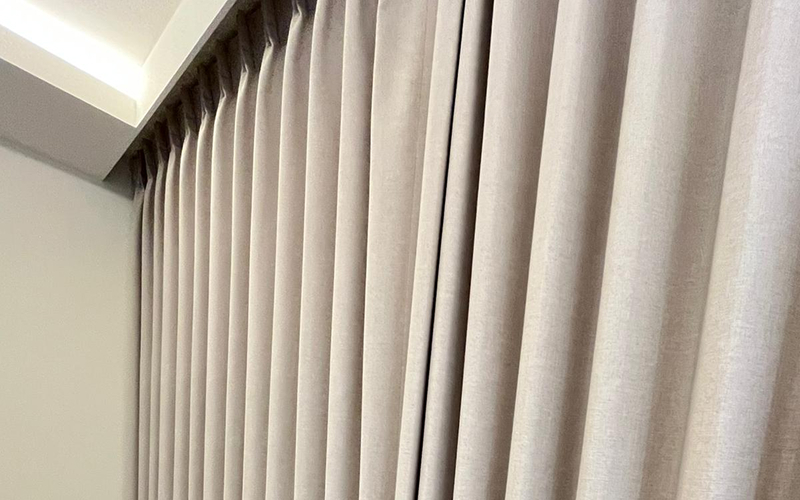
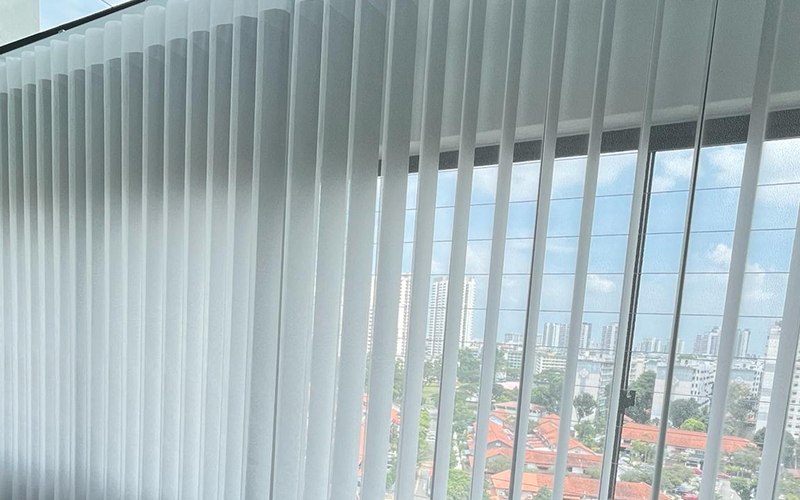
Ripple fold curtains create soft, continuous waves that move evenly across the entire width of the curtain track. The folds appear smooth and uniform, producing a clean visual rhythm that feels calm and uncluttered.
Pleated curtains, on the other hand, use structured folds sewn into the fabric at regular intervals. These pleats maintain their shape when the curtains are opened or closed, giving the window treatment a more defined and traditional appearance.
Curtains should complement the existing interior design. The overall style of your home often provides a useful starting point when deciding between ripple fold and pleated curtains.
Ripple fold curtains are commonly associated with modern, minimalist, or contemporary interiors. Their gentle, flowing waves pair well with clean furniture lines and uncluttered spaces.
Pleated curtains tend to suit homes with classic, transitional, or decorative design elements. Their structured folds introduce a sense of formality that works well alongside traditional furnishings or layered interior styling.
Window size and layout play an important role in how curtain styles perform visually. The width of the window, ceiling height, and surrounding wall space can all influence how curtains hang and how balanced the room appears.
Ripple fold curtains often work particularly well for wide windows, balcony doors, and sliding glass panels. The continuous wave pattern stretches smoothly across large spans, helping the window area feel balanced and visually organised.
Pleated curtains are highly versatile and adapt well to standard windows, bay windows, or feature panels. Their structured folds can provide a slightly more tailored appearance when the curtains are drawn open.
Ceiling height also influences the outcome. Floor-to-ceiling curtains can visually elongate a room, while wider wall spans may benefit from curtain designs that create consistent movement across the track.
If you plan to install custom curtains, it helps to consider the exact proportions of your windows and surrounding wall space. Accurate measurements allow the curtain style to sit correctly along the track and ensure the fabric drapes evenly across the window.
Curtains are used frequently in many homes, particularly in living rooms and bedrooms, where natural light changes throughout the day. How often the curtains are opened, closed, or adjusted can influence which curtain style feels more practical in daily use.
Ripple fold curtains glide smoothly along their track, making them convenient for spaces where curtains are opened and closed regularly. This ease of movement can be helpful for balcony access or living rooms that receive strong afternoon sunlight.
Pleated curtains create a more traditional stacking effect when drawn back. Some homeowners prefer this controlled appearance, especially in bedrooms where curtains may remain closed for longer periods.
For households that adjust their curtains several times a day, choosing custom-made curtains specifically for a window size can make daily use more comfortable and efficient.
The choice of fabric often has a greater influence on privacy and light control than the curtain style itself. Both ripple fold and pleated curtains can be paired with different fabric options, depending on the level of light control required.
Sheer fabrics allow natural light to filter through while maintaining daytime privacy. Blackout fabrics provide stronger light blocking, which many homeowners prefer for bedrooms.
Ripple fold curtains tend to create consistent coverage across the window because the waves remain evenly spaced along the track. Meanwhile, pleated curtains allow slightly more defined shaping of the fabric, which some homeowners find useful when layering day and night curtains.
Curtains are a long-term interior feature, so it is helpful to consider how each style will age and maintain its appearance. Over time, factors such as daily use, exposure to sunlight, and the weight of the fabric can influence how curtains drape and how well their structure holds.
Ripple fold curtains usually maintain a neat and uniform drape when properly measured and installed. The even wave structure helps the fabric fall consistently each time the curtains are closed.
Pleated curtains hold their structured folds well, though they may occasionally require adjustment to maintain symmetrical alignment. Fabric quality and proper installation play a major role in how both styles perform over time.
Curtain pricing typically depends on factors such as fabric type, window size, and track systems rather than the curtain style alone. Whether you choose ripple fold or pleated curtains, the overall cost is usually influenced more by the material, installation requirements, and window dimensions than by the style itself.
Custom measurement becomes particularly important for large windows, balcony doors, and floor-to-ceiling installations. For ripple fold curtains, precise measurements help ensure the waves remain evenly spaced across the track. Accurate sizing of pleated curtains allows the folds to stack neatly when the curtains are drawn open.
A consultation can help homeowners explore suitable fabric options, track systems, and curtain styles that work well with their space. By reviewing both ripple fold and pleated curtains alongside the room layout and lighting needs, homeowners can choose a solution that balances visual appeal with everyday functionality.
There is no universal answer when deciding between ripple fold vs pleated curtains. The right option depends on how your home is arranged, how the space is used, and how you want the room to feel.
Ripple fold curtains may suit homes that prioritise clean lines and smooth movement across wide windows. Pleated curtains may feel more appropriate in spaces where structured detailing complements the interior design.
For homeowners exploring curtains and blinds in Singapore, a thoughtful consultation can help align design preferences with everyday practicality. Jia Le Curtains and Blinds takes a consultative approach by providing on-site measurement, customised fabrication, and installation guidance. We help ensure that the chosen curtains fit naturally within the home and continue to perform well over time.
Contact us to explore curtain options that suit your space and lifestyle.